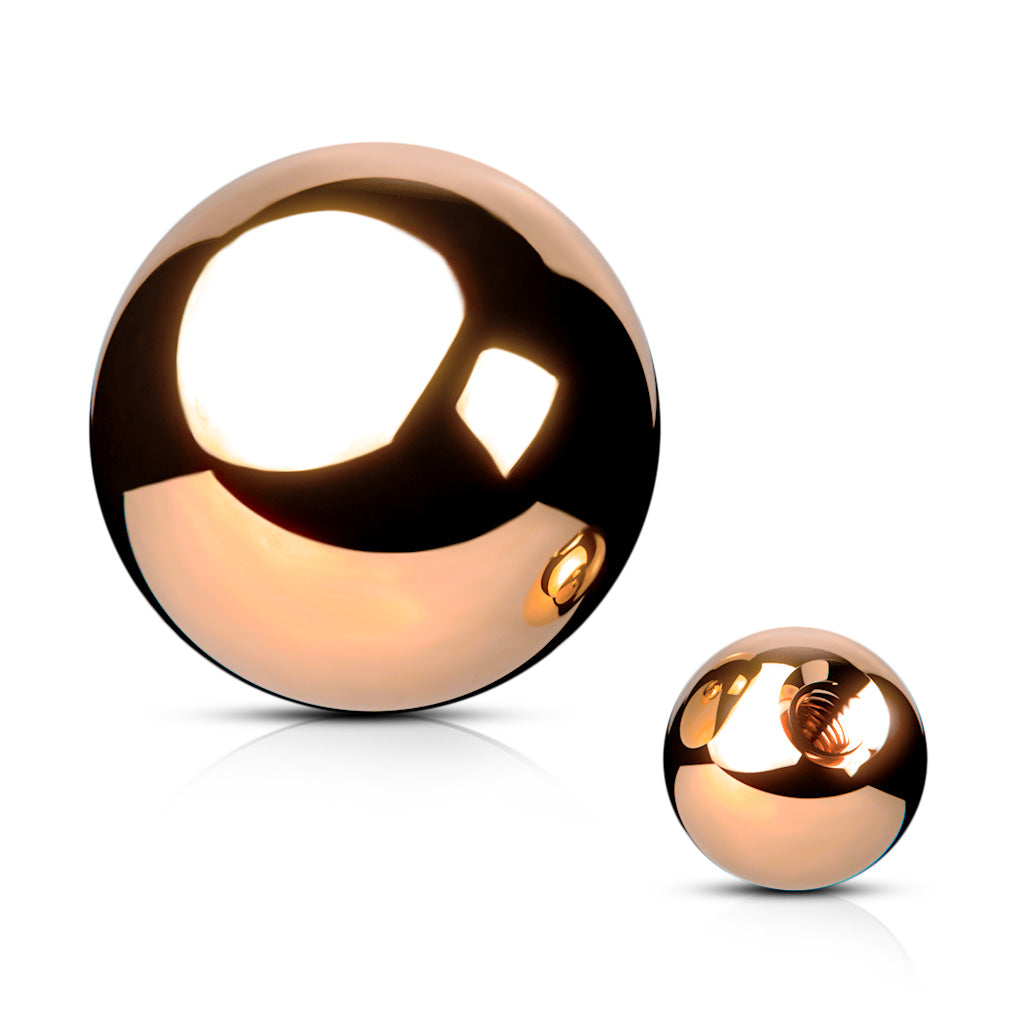
Brass is loved for its warm, golden tone and its ability to create detailed, decorative jewellery designs. It may be used for an entire piece of jewellery, or just for selected decorative components.
For example, some jewellery may feature a 316L surgical steel bar or post with a brass charm, dangle or decorative topper. In these cases, the steel component and the brass component have different properties and may require slightly different care.
This guide explains how to care for jewellery made from brass, as well as jewellery that contains brass components, so you can help keep your favourite pieces looking their best for longer.
What is brass jewellery?
Brass is a metal alloy made primarily from copper and zinc. Its naturally warm, gold-toned appearance makes it particularly popular for decorative jewellery, charms and intricate designs.
Brass may be used in several different ways, including:
-
Jewellery made predominantly from brass
-
A 316L surgical steel bar with a brass dangle or charm
-
A 316L surgical steel post with a brass decorative topper
-
A titanium or surgical steel component combined with brass detailing
-
Brass charms or decorative elements attached to another base metal
Always check the individual product description and product specifications to see exactly which materials are used in your jewellery.
Why does brass tarnish?
Brass naturally changes in appearance over time because the copper within the metal reacts with its surroundings.
Exposure to air, moisture, perspiration, humidity, perfume, cosmetics and other chemicals can gradually cause brass to darken or develop tarnish.
This can happen whether the entire piece is made from brass or only one decorative section contains brass.
For example, on a surgical steel belly bar with a brass dangle, the surgical steel bar may remain largely unchanged while the brass decorative section develops tarnish.
This is a natural characteristic of brass and does not necessarily indicate a fault with the jewellery.
How to clean jewellery containing brass
For routine care, always begin with the gentlest cleaning method.
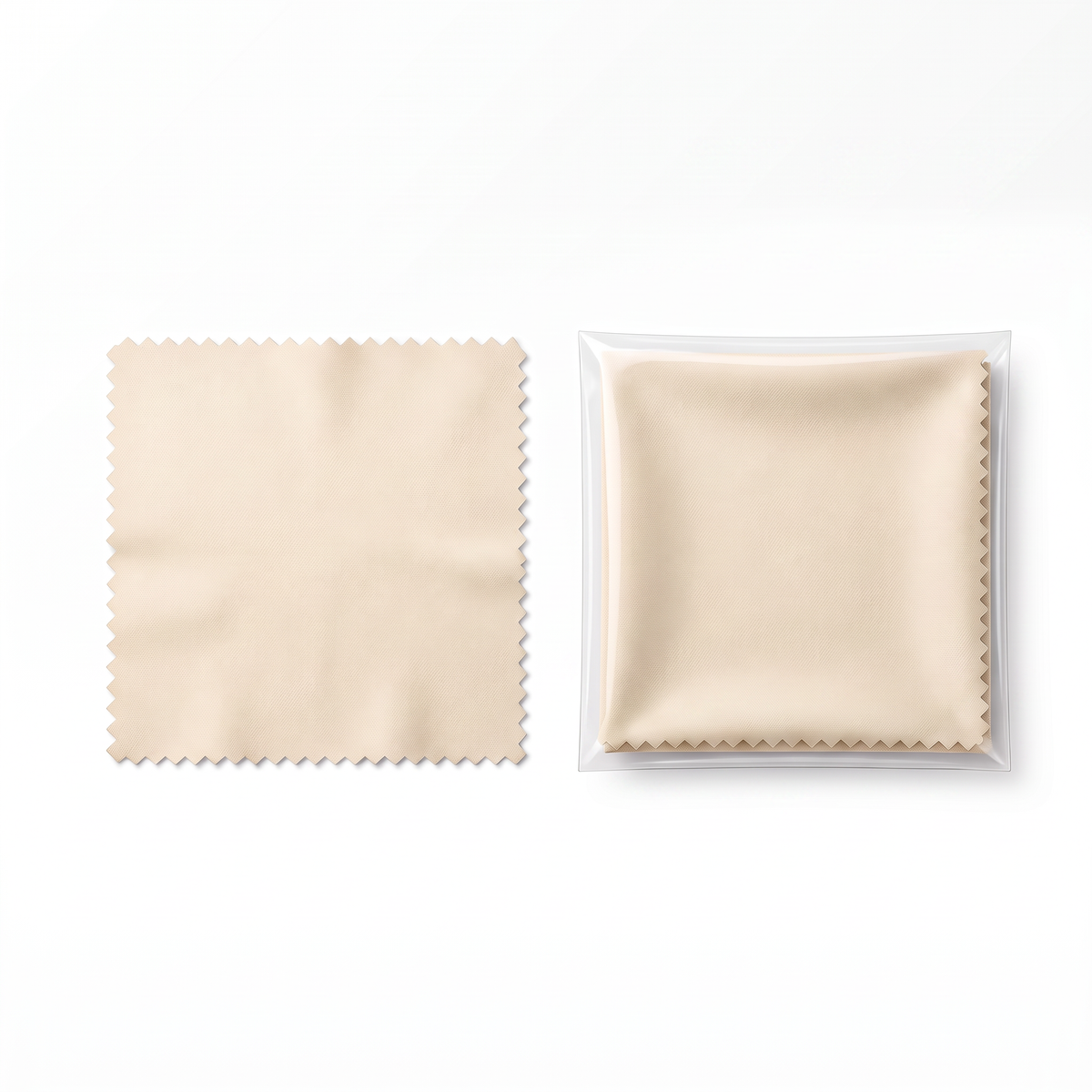
Use a clean, soft, lint-free cloth to gently wipe the jewellery and remove fingerprints, moisture, skin oils and surface residue.
If further cleaning is required:
-
Use a small amount of mild soap and lukewarm water.
-
Gently clean the jewellery using a soft cloth or very soft-bristled brush.
-
Pay particular attention to decorative brass areas where residue may collect.
-
Remove any remaining soap carefully.
-
Dry the jewellery thoroughly before wearing or storing it.
Avoid prolonged soaking, particularly where the jewellery contains different metals, crystals, stones, coatings, adhesives or decorative finishes.
Caring for surgical steel or titanium jewellery with brass details
If your jewellery combines 316L surgical steel or titanium with brass, remember that the different parts of the jewellery may behave differently over time.
The surgical steel or titanium component may be highly resistant to tarnishing, while the brass charm, topper or decorative detail can naturally darken or change in appearance.
When cleaning mixed-material jewellery:
-
Clean the whole piece gently.
-
Avoid harsh chemicals.
-
Do not assume that a cleaning product suitable for one metal is suitable for every component.
-
Take extra care around joins, settings, stones and decorative details.
-
Dry the entire piece thoroughly after cleaning.
If only the brass section is tarnished, concentrate any brass-specific cleaning on that component rather than treating the entire piece as though it were made from brass.
What about heavily tarnished brass components?
For uncoated brass, a specialist brass polishing product may sometimes help reduce heavier tarnishing.
However, polishing products should be used with care.
They may not be suitable for jewellery containing:
-
Plated or coated finishes
-
Crystals or gemstones
-
Adhesives
-
Painted details
-
Delicate decorative surfaces
-
Multiple different metals
If your jewellery contains a surgical steel or titanium post with a brass decorative top, avoid applying specialist brass polish indiscriminately to the entire piece.
Always choose the gentlest cleaning method first.
What should I avoid when cleaning brass jewellery?
To help protect both the brass and any other components in your jewellery, avoid:
-
Bleach or chlorine-based cleaners
-
Harsh household chemicals
-
Abrasive brushes or scouring pads
-
Toothpaste or abrasive cleaning pastes
-
Strong acids
-
Aggressive homemade cleaning mixtures
-
Jewellery dips unless specifically suitable for every material in the piece
-
Prolonged soaking
Extra care should always be taken with mixed-material jewellery, because a cleaning method suitable for brass may not be suitable for the steel, titanium, plating, stones or decorative finishes used alongside it.
How to reduce brass tarnishing
Brass will naturally develop tarnish over time, but good jewellery care can help slow the process.
To keep brass components looking their best:
-
Keep the jewellery dry whenever possible.
-
Remove it before showering, bathing or swimming where practical.
-
Avoid direct contact with perfume, hairspray, moisturiser, fake tan and cosmetics.
-
Put jewellery on after applying beauty and hair products.
-
Gently wipe the jewellery after wearing.
-
Remove perspiration and moisture before storing.
-
Store jewellery somewhere clean, cool and dry.
-
Keep pieces separated to help prevent scratching and tangling.
These precautions are particularly important where a piece combines a highly corrosion-resistant material such as surgical steel or titanium with a decorative brass component.
How should I store jewellery containing brass?
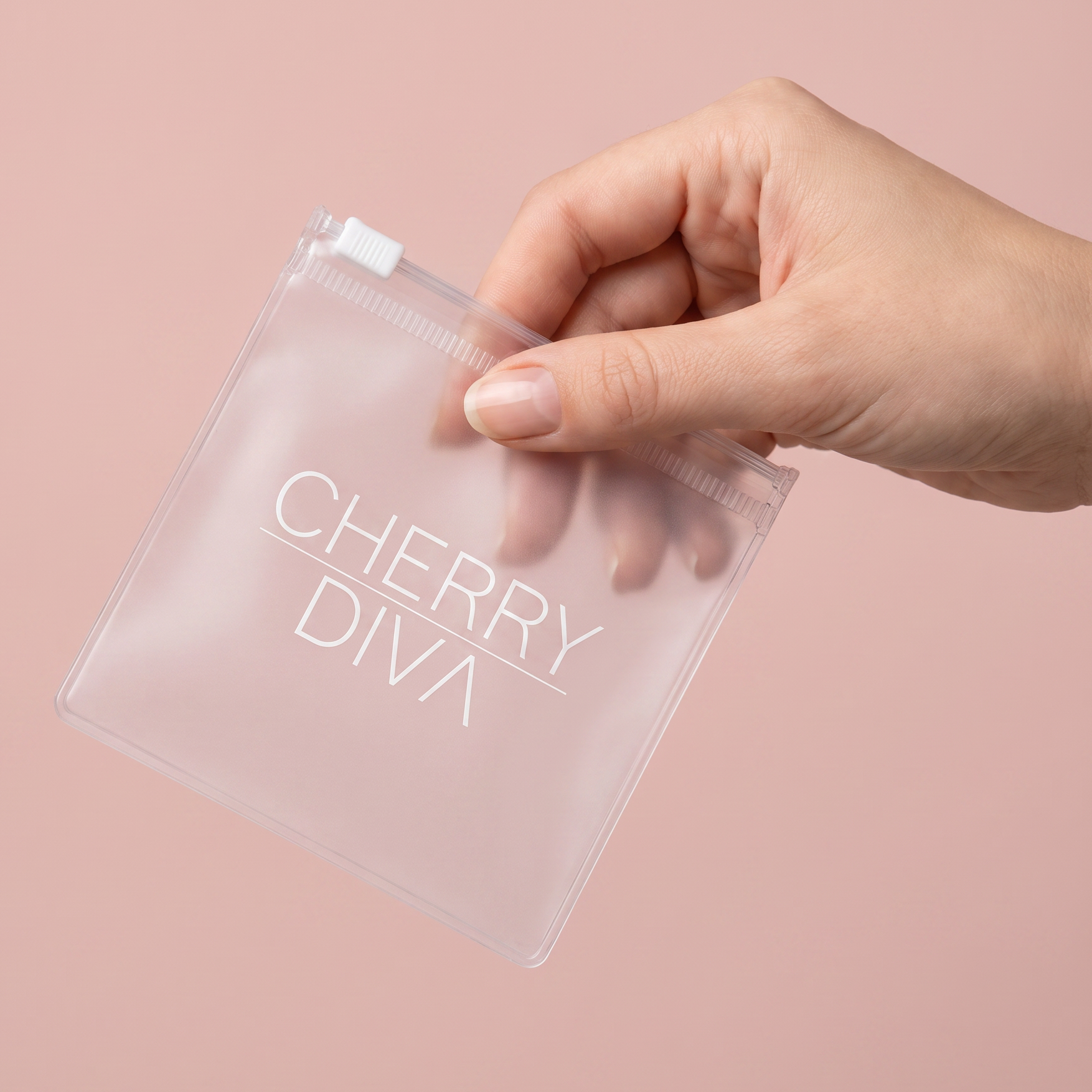
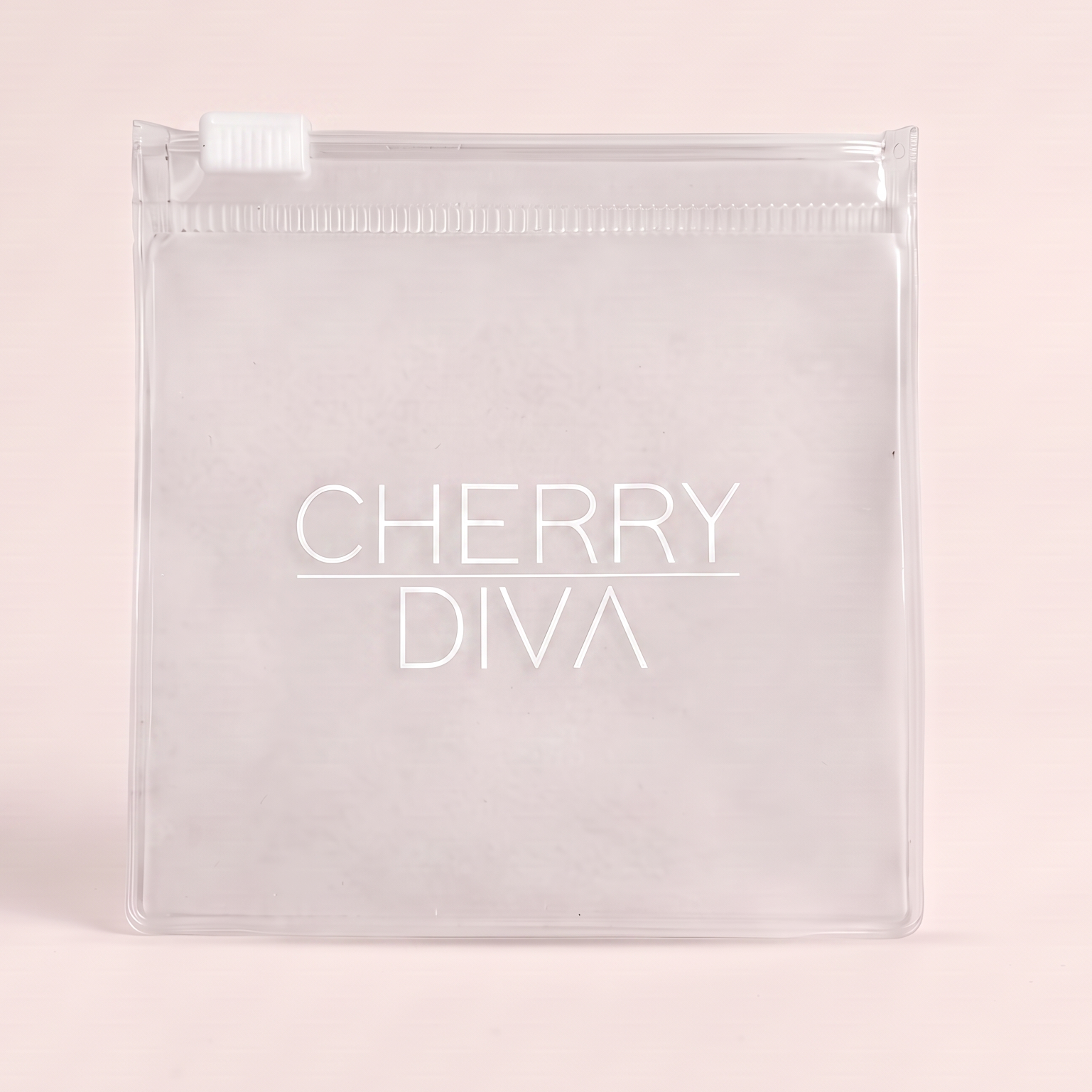
Store your jewellery in a dry jewellery box, pouch or suitable sealed container away from excessive moisture and humidity. The zip lock pouch your order arrives in this perfect for this!
Make sure the jewellery is completely dry before storing it.
Keeping jewellery pieces separate can also help prevent them rubbing against one another and damaging polished, plated or decorative surfaces.
For mixed-material jewellery, good storage also helps protect the joins between components and any intricate decorative areas.
Can brass turn my skin green?
Because brass contains copper, some people may occasionally notice temporary green or dark marks on their skin after wearing jewellery containing brass.
This can occur when the brass reacts with perspiration, moisture, skincare products or natural skin oils.
Whether this happens, and how quickly, varies from person to person.
If the brass component does not sit directly against the skin, such as a hanging charm or dangle attached to a surgical steel bar, this may be less noticeable.
Keeping both your skin and the jewellery clean and dry can help reduce the likelihood of marking.
Can I shower with jewellery that contains brass?
We recommend removing jewellery containing brass before showering, swimming or bathing whenever practical.
Even if the main bar or post is made from surgical steel or titanium, repeated exposure to water, soap, chlorine and other chemicals can still affect the brass decorative components.
This is why a piece containing a surgical steel bar and brass dangle may need different care from a piece made entirely from surgical steel.
Does tarnishing mean my jewellery is faulty?
Not necessarily.
Natural tarnishing is an expected characteristic of brass, whether the whole piece is made from brass or brass is used only for a charm, dangle or decorative topper.
On mixed-material jewellery, it is completely possible for the surgical steel or titanium section to remain unchanged while the brass section develops a darker patina.
How quickly this happens depends on several factors, including:
-
Frequency of wear
-
Moisture and humidity
-
Perspiration
-
Cosmetics and skincare products
-
Storage conditions
-
Individual skin chemistry
Regular gentle cleaning and careful storage can help keep your jewellery looking its best for longer.
Different materials need different care
One of the most important things to remember is that the material used for the wearable post, bar or hoop is not always the same as the material used for the decorative part of the jewellery.
For example:
316L surgical steel belly bar + brass dangle
The steel bar and the brass decorative component will have different properties. The brass section can naturally tarnish even if the surgical steel section does not.
316L surgical steel stud + brass topper
The surgical steel post may be resistant to tarnishing, while the brass decorative topper may gradually darken with wear.
This is completely normal for mixed-material jewellery.
Always refer to the individual product specifications to see which materials are used in each part of your jewellery.
A little care goes a long way
Whether your jewellery is made predominantly from brass or simply features a brass charm, dangle or decorative topper, a few simple care habits can make a big difference.
Keep brass components clean, keep them dry and limit unnecessary exposure to chemicals, cosmetics and moisture.
With the right care, you can continue enjoying the detailed designs and warm finish that make brass such a popular choice for decorative jewellery.