How to care for your piercing jewellery
Jewellery Care Guide
A little care goes a long way. Learn how to clean, wear and store your jewellery to help keep your favourite pieces looking their best.
The Everyday Care Essentials
Whatever jewellery you wear, these four simple habits can help protect its appearance and keep it in great condition.
Wear Thoughtfully
Put jewellery on after perfume, moisturiser, fake tan and beauty products.
Protect It
Consider the material before exposing jewellery to water, sweat or chemicals.
Clean Gently
Use mild cleaning methods rather than harsh chemicals or abrasive products.
Store Carefully
Make sure jewellery is clean and dry before storing pieces separately.
Care by Material
Different metals and finishes need different levels of care. Always check the individual product page if you're unsure.
Titanium
Low MaintenanceLightweight, durable and highly resistant to corrosion, titanium is one of our easiest jewellery materials to care for.
- Clean with mild soap and warm water
- Rinse after swimming or heavy sweating
- Dry thoroughly using a clean, soft cloth
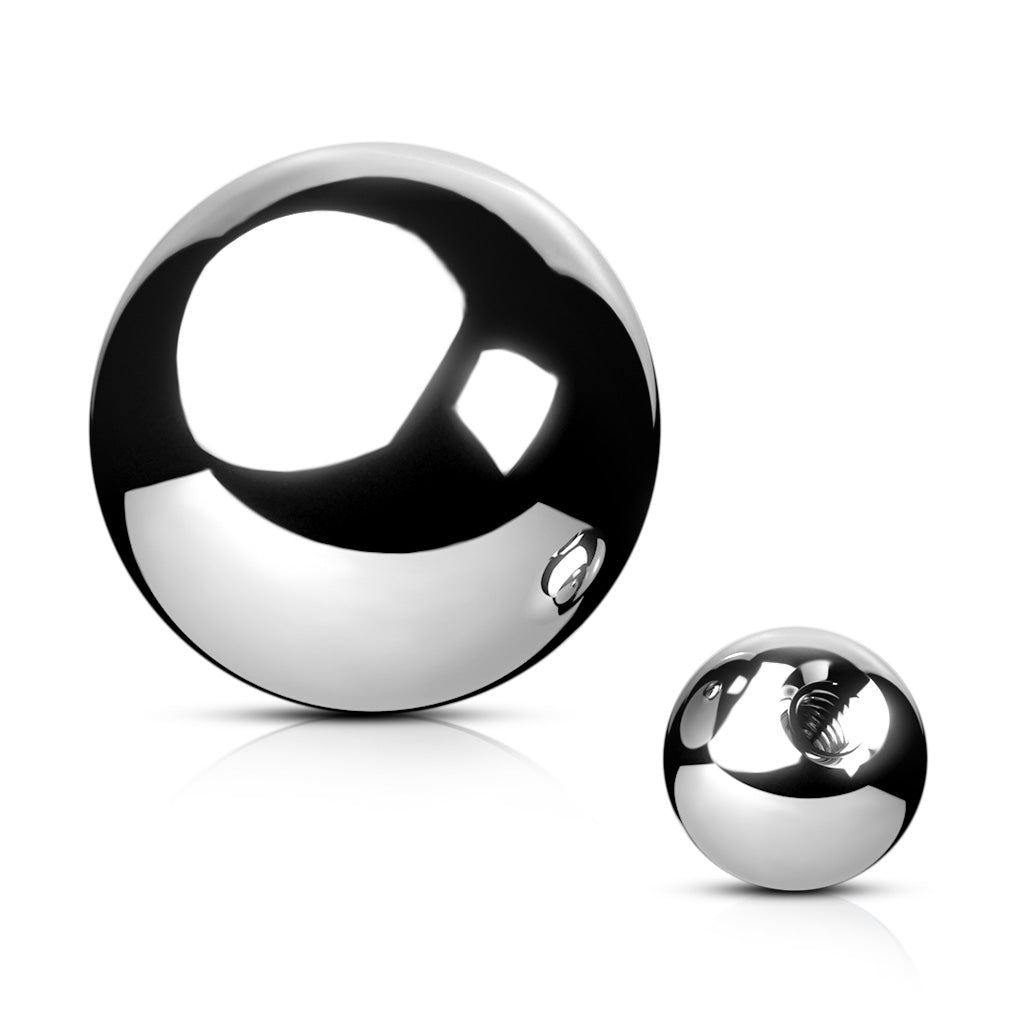
- Check threaded or push-fit ends regularly
316L Surgical Steel
Easy CareStrong, durable and widely used in body jewellery, 316L Surgical Steel is easy to maintain with regular gentle cleaning.
- Clean gently using mild soap and water
- Rinse after chlorine, seawater or heavy sweating
- Dry thoroughly before storing
- Avoid harsh household cleaning chemicals
PVD & Coated Jewellery
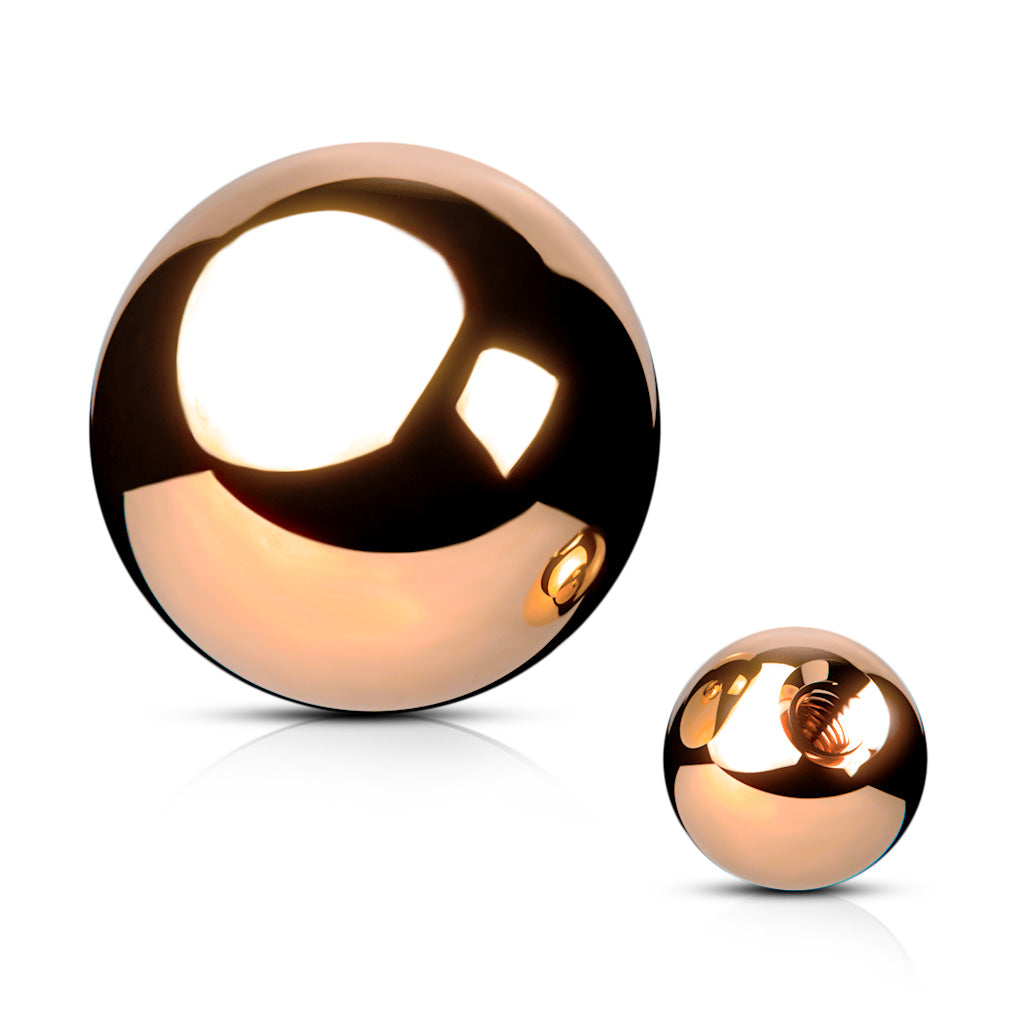
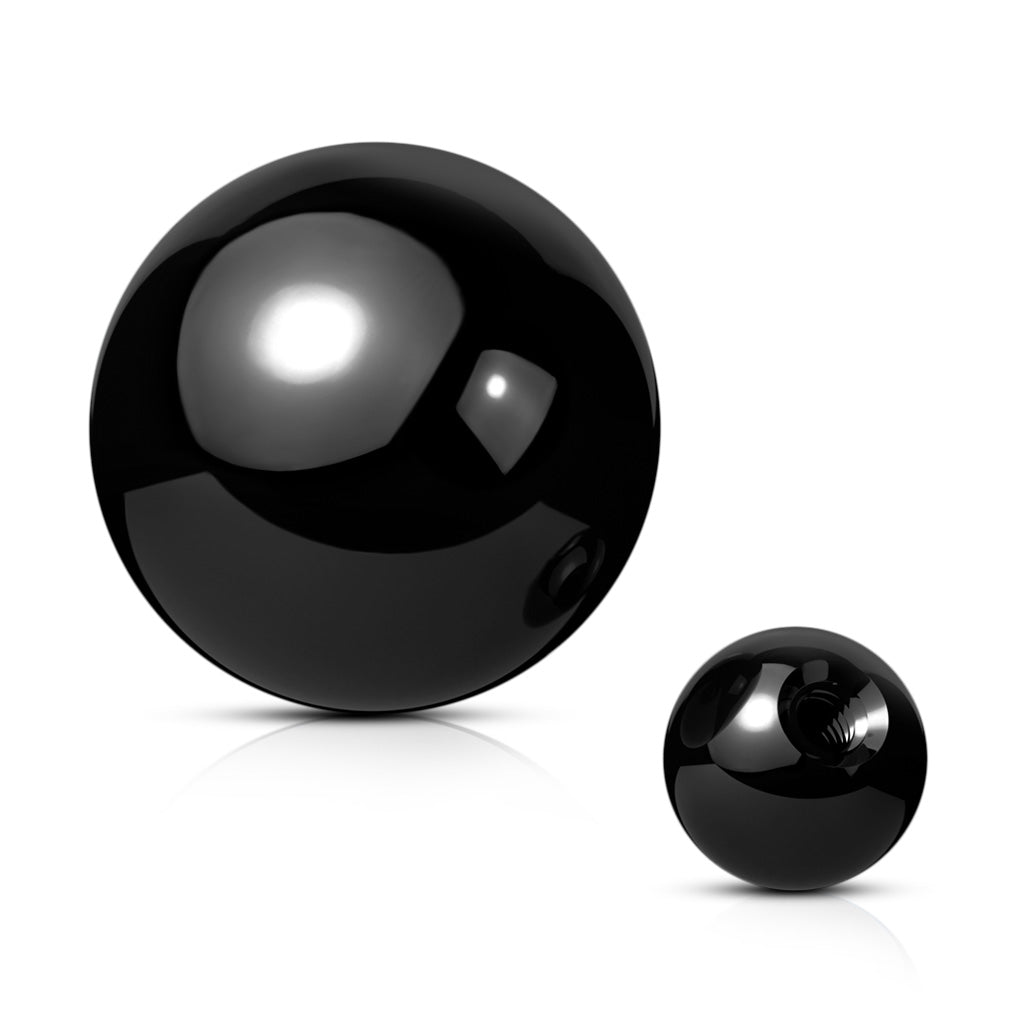
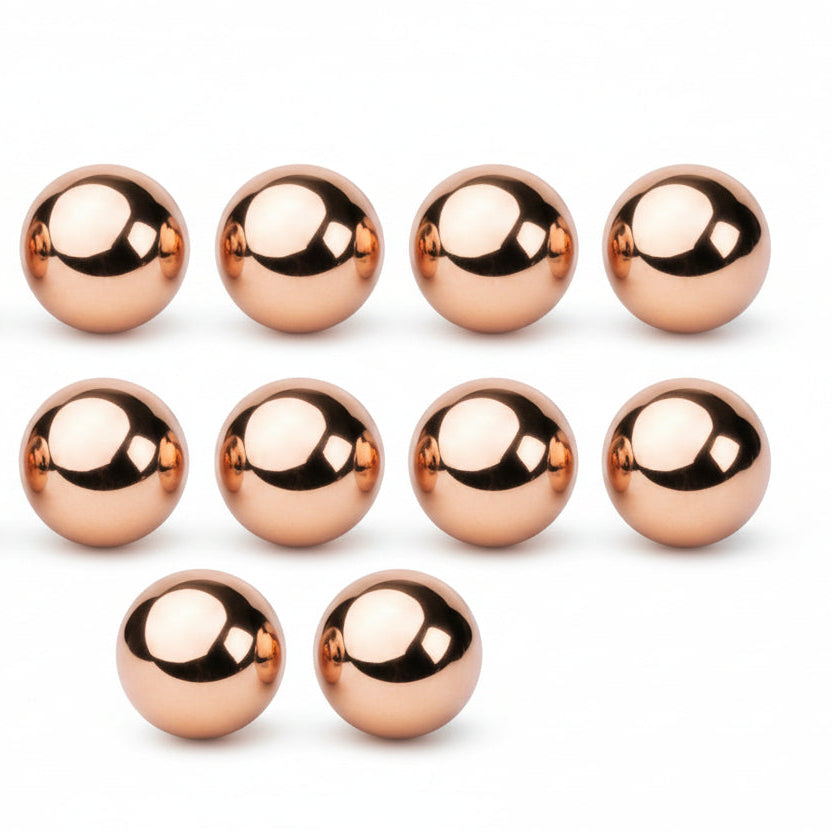
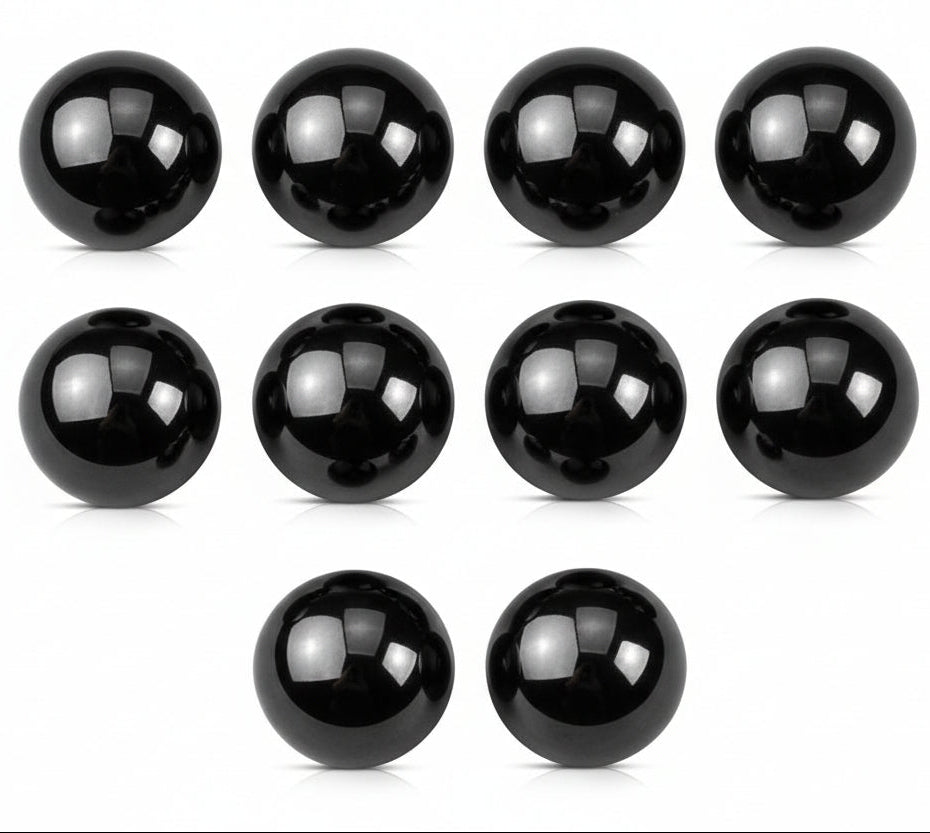
Extra CareGold, rose gold, black and other coloured jewellery may use a decorative surface finish that benefits from a little extra care.
- Apply perfumes and cosmetics before putting jewellery on
- Avoid prolonged exposure to moisture
- Remove before swimming where possible
- Avoid abrasive cleaners and polishing products
- Store separately to minimise scratching and friction
Brass Jewellery
Keep DryBrass allows for beautifully detailed statement designs, but it needs more careful handling than titanium or surgical steel.
- Remove before showering, bathing or swimming
- Remove before exercising or sleeping
- Avoid perfume, creams and beauty products
- Clean gently with a soft, dry cloth
- Store somewhere clean and completely dry
Does your jewellery contain more than one material?
Always follow the care guidance for the most care-sensitive material. For example, if a piece has a 316L Surgical Steel post with a brass topper, care for the entire piece as brass jewellery and keep it dry.
Jewellery & Water
Can you get your jewellery wet? It depends on the material and finish.
What Should I Avoid?
More Jewellery Care Advice
Gold & Rose Gold Jewellery
Not all gold-coloured jewellery is constructed in the same way. Some pieces may use a gold-coloured PVD finish, plating or another surface treatment over titanium, surgical steel or brass.
Always check the material information on the individual product page rather than caring for jewellery based on colour alone.
Crystal & Decorative Jewellery
Crystals, stones, charms and detailed settings can require a little more care than plain metal jewellery.
Avoid unnecessary soaking and abrasive cleaning products. Clean detailed areas gently and make sure the jewellery is completely dry before storing.
Take particular care with dangling designs, fine chains and delicate charms, which may catch on clothing, towels or bedding.
Threaded, Threadless & Hinged Jewellery
Threaded jewellery: Periodically check balls and decorative ends to make sure they remain securely tightened.
Threadless / push-fit jewellery: Check push-fit ends regularly to ensure they remain firmly seated inside the post.
Hinged hoops: Keep the hinge and closure free from product build-up and make sure the hoop clicks securely into place.
Caring for a Fresh or Healing Piercing
Jewellery care and piercing aftercare are not the same thing. If your piercing is still fresh or healing, jewellery should only be changed when it is appropriate to do so.
Material is only one part of choosing suitable jewellery. Gauge, length, shape, threading, surface finish and individual anatomy also need to be considered.
If you're unsure whether a piece of jewellery is suitable for a healing piercing, speak to a professional piercer before changing it.
When Should I Replace My Jewellery?
Regularly check your jewellery and consider replacing it if you notice:
- Damage to threads or closures
- A hinged hoop no longer closing securely
- A push-fit end becoming loose
- Cracked or damaged components
- Excessive wear to a decorative finish
- Bent posts or bars
- Loose stones or charms
If you're unsure about the condition of jewellery worn in a piercing, we recommend having it checked by a professional piercer.